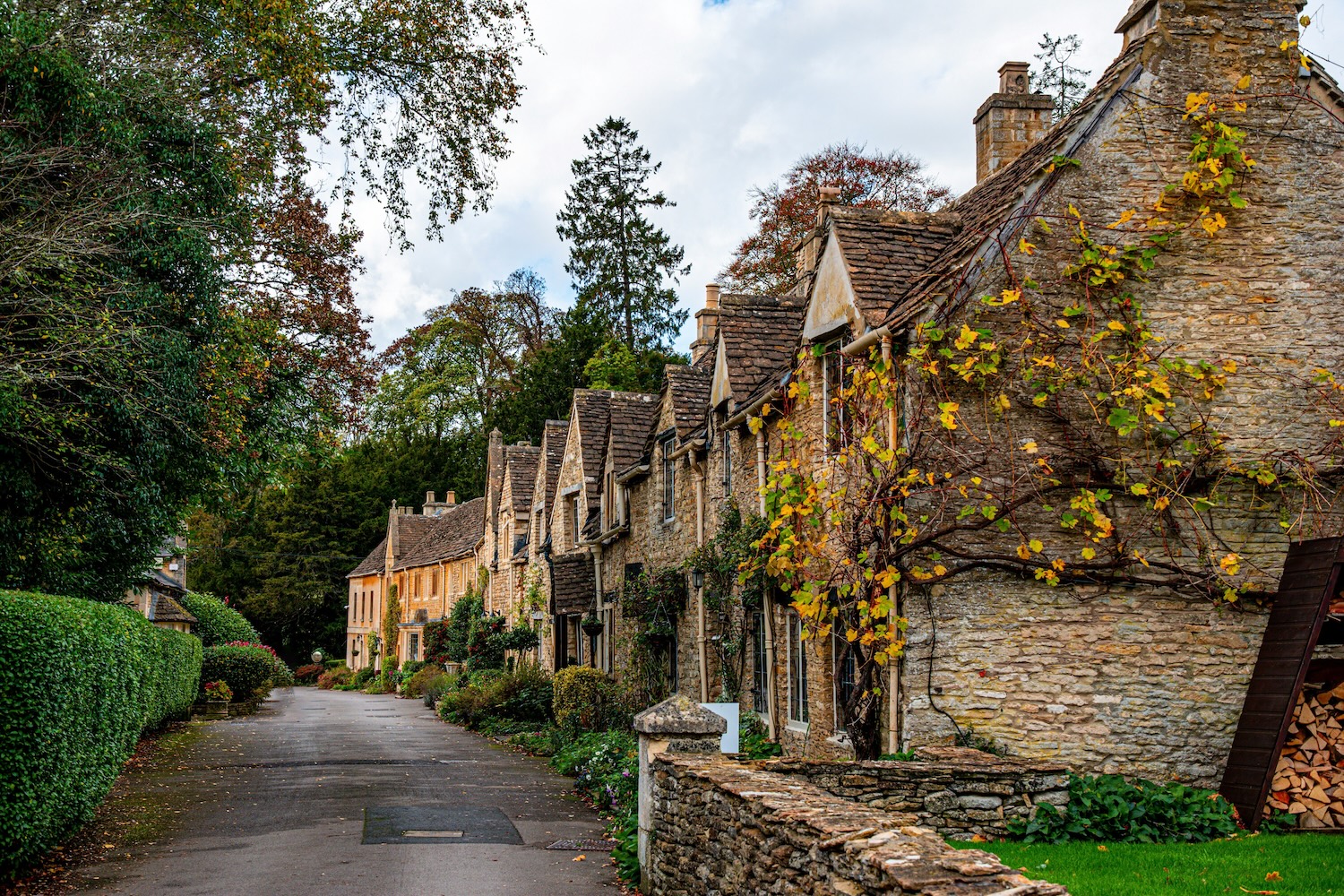
“Hope is a muscle. The more you exercise it, the more of it there is.” These words, shared by Anita Roy, capture the spirit of Wellington, a semi-rural town in Somerset with a population of around 18,000. Anita moved here from the bustling metropolis of New Delhi in 2015, trading a city of 28 million for the tranquillity of small-town life.
When Anita told friends she was moving to Wellington instead of the capital, many were puzzled. Would she find enough to do? It turns out, there are activities deeply rooted in traditions that have been largely forgotten since the industrial revolution. Anita is involved in scything, apple pressing, and foraging for rhubarb, quinces, apples, and plums - practices that not only connect people with nature but also benefit the local environment.
Anita chairs Transition Town Wellington (TTW), part of a nationwide movement dedicated to helping protect the planet and equip communities for the challenges posed by climate change. Among the group is a national champion scyther who has taught many locals this traditional skill. Scything is more wildlife-friendly than modern machinery since it allows creatures, such as slow worms found in local meadows, to retreat unharmed.
READ MORE: Bath Rugby Secure Convincing Victory Over Bedford Blues in Pre-Season Friendly
READ MORE: Thousands March Through Bath to Honour Jane Austen
Maintaining meadows through scything prevents overgrowth while supporting a diverse range of wild plants and flowers. Similarly, apple pressing transforms surplus fruit into cider, reducing waste. Foraging for locally available nuts and berries offers residents fresh, plastic-free alternatives to imported produce. TTW even provides a foraging map to guide townsfolk in harvesting nature’s gifts responsibly.
Beyond environmental activities, the community’s outlook is one of optimistic action. Anita highlights their motto: “hope with its sleeves rolled up,” emphasising proactive positivity rather than naïve optimism. In partnership with the Woodland Trust, TTW plans to plant 3,500 trees across 2024 and 2025. These trees stand as a symbol of hope amid concerns over climate change impacts like floods, droughts, and unstable harvests.
Local support is strong. Wellington Town Council has leased 65 and a half acres as a ‘green corridor’ dedicated to wildlife and biodiversity for 150 years-a significant commitment to preserving natural habitats.
Life in Wellington is not without challenges. Infrastructure issues persist, with concerns about amenities like pharmacies, which saw closures in 2025 before a much-needed new one opened this year amid community celebration. The town is also facing growth pressures, with residents like Patricia Dylan, secretary of Wellington Museum and local for 55 years, worried about housing developments and the capacity of the sole secondary school.
Nevertheless, the prevailing sentiment in Wellington is one of hope and resilience. The community confronts difficulties head-on, grounded in practical action and a strong social fabric. As Anita reflects, “I don’t know what it is about Wellington, but it just seems like there’s always the right people with the right skills we need.” This combination of environmental care, community involvement, and optimism makes Wellington a unique and inspiring place to call home.