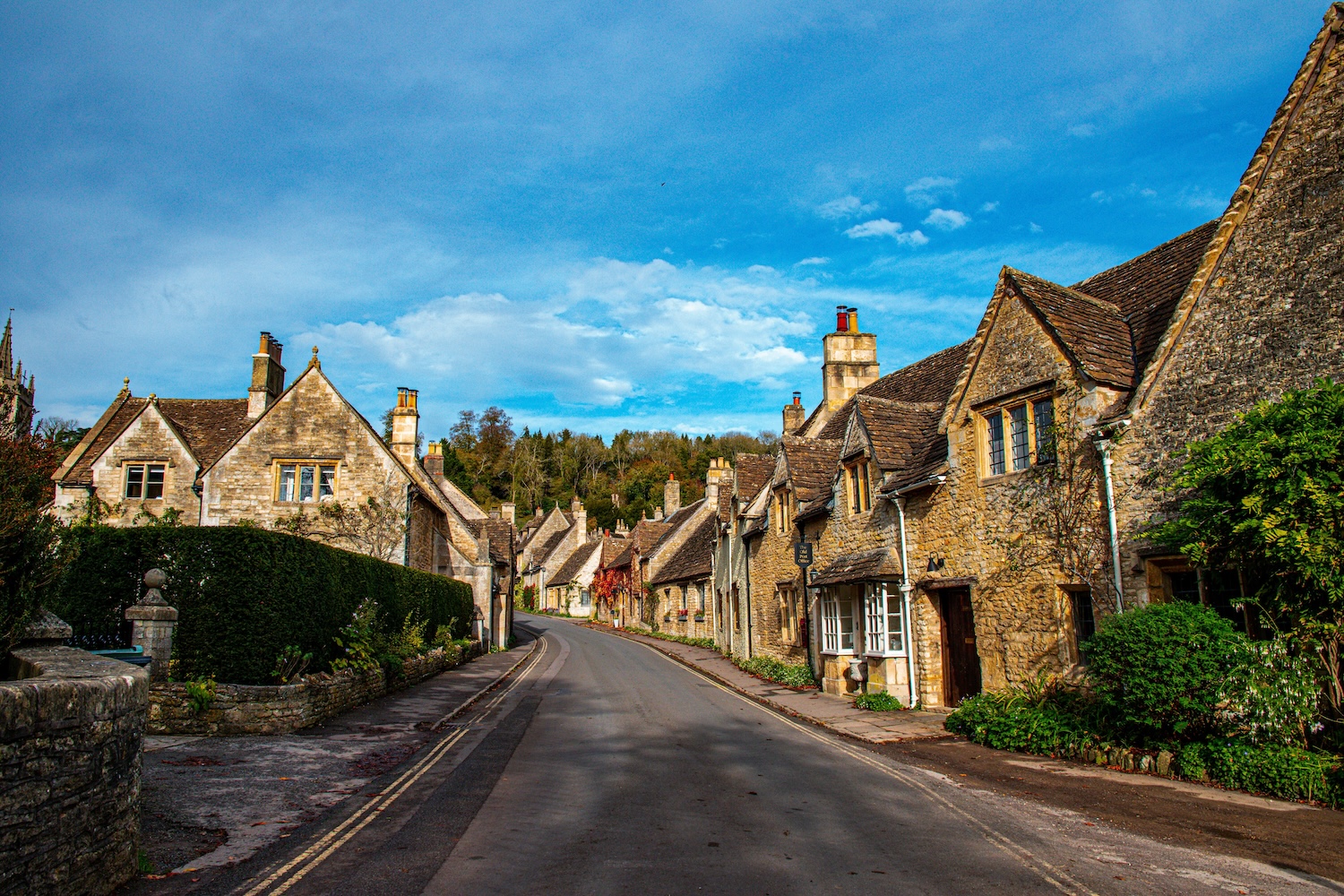
Villagers in the rural heart of North East Somerset’s so-called “forgotten valley” are facing serious disruption after significant cuts to their bus services. Over recent years, most scheduled bus routes through this area have been eliminated, and recent reductions in service frequency threaten to sever crucial links to work, school, and healthcare.
Since Easter, the 172 bus, one of the last remaining lifelines for these communities, now runs only once an hour instead of every half hour. Sam Ross, Green Party councillor for Clutton and Farmborough on Bath and North East Somerset Council, warned the West of England Combined Authority (WECA) that these cuts are far from minor schedule changes. “They represent the removal of services upon which residents depend entirely,” she wrote in a letter urging the authority to reverse the decision.
First Bus, the operator, confirmed the reduction was due to decreased funding. For families like Rebecca Hall’s, the change means leaving home an hour earlier just to get her two children to school in time. Rebecca, who cannot drive due to epilepsy, highlighted the challenge posed by the lack of pavements on the roads between Hallatrow and neighboring Temple Cloud. “I chose to live here because of the bus service; now it feels like it’s been taken away without real consideration,” she said.
READ MORE: Bath City Faces Relegation Threat After Heavy Defeat to Torquay United
READ MORE: Peter Andre’s Wife Emily Andre Shares Heartfelt Decision on Family After Health Scare
Historically, villages along the A39 corridor—Hallatrow, High Littleton, and others—enjoyed multiple bus routes to Bath and Bristol. However, most were cut in 2023, leaving only the 172 and the publicly funded 522 service, which run a circuitous “southerly loop” through Midsomer Norton and Radstock. This detour has drastically increased travel times. Peter Ghillyer, a High Littleton Parish Councillor, recalled that the trip to the city once took 20 minutes but now stretches beyond an hour. He cautioned that these communities are overlooked as public transport focuses on the more populated triangle of Bath, Bristol, and Midsomer Norton.
Ann Morgan, Independent councillor for High Littleton, stressed the contradiction in local policy: “They want to reduce traffic and improve air quality in Bath, but they can’t achieve that without reliable public transport.”
While the 522 service has avoided cuts, confusion arose recently when early morning trips appeared to be axed in published timetables. Thanks to a petition of nearly 500 signatures led by 16-year-old Sam Harris—who relies on the 522 to reach his college in Bristol—the early service was reinstated. WECA later confirmed the cuts were never actually planned, blaming a timetable publishing error.
Even with the 522 running steadily, the two routes diverge north of Hallatrow, leaving those traveling along the A39 or needing to transfer between routes with only one bus per hour.
Rebecca Hall and her family have even practiced “dry runs” to prepare for the new timetable, but the inconvenience has forced her to consider changing her general practitioner to one more accessible by bus. “I shouldn’t have to rearrange my life because of budget cuts,” she said.
Cllr Ross emphasized the wider impact of these changes, citing cases including a care worker now unable to commute to Clutton, students with no alternative transport to their sixth form, and workers unable to reach Bath by 9am. She described this as part of a “managed decline” in rural transport that threatens to hollow out communities, forcing residents to relocate to access essential services.
A WECA spokesperson acknowledged the frustrations around service changes and highlighted ongoing investments in transport infrastructure worth £750 million. The authority also promotes WESTlink, a demand-responsive transport system aimed at improving rural connectivity. They invited public feedback on a new Bus Plan for the region via a consultation open until 10 May.