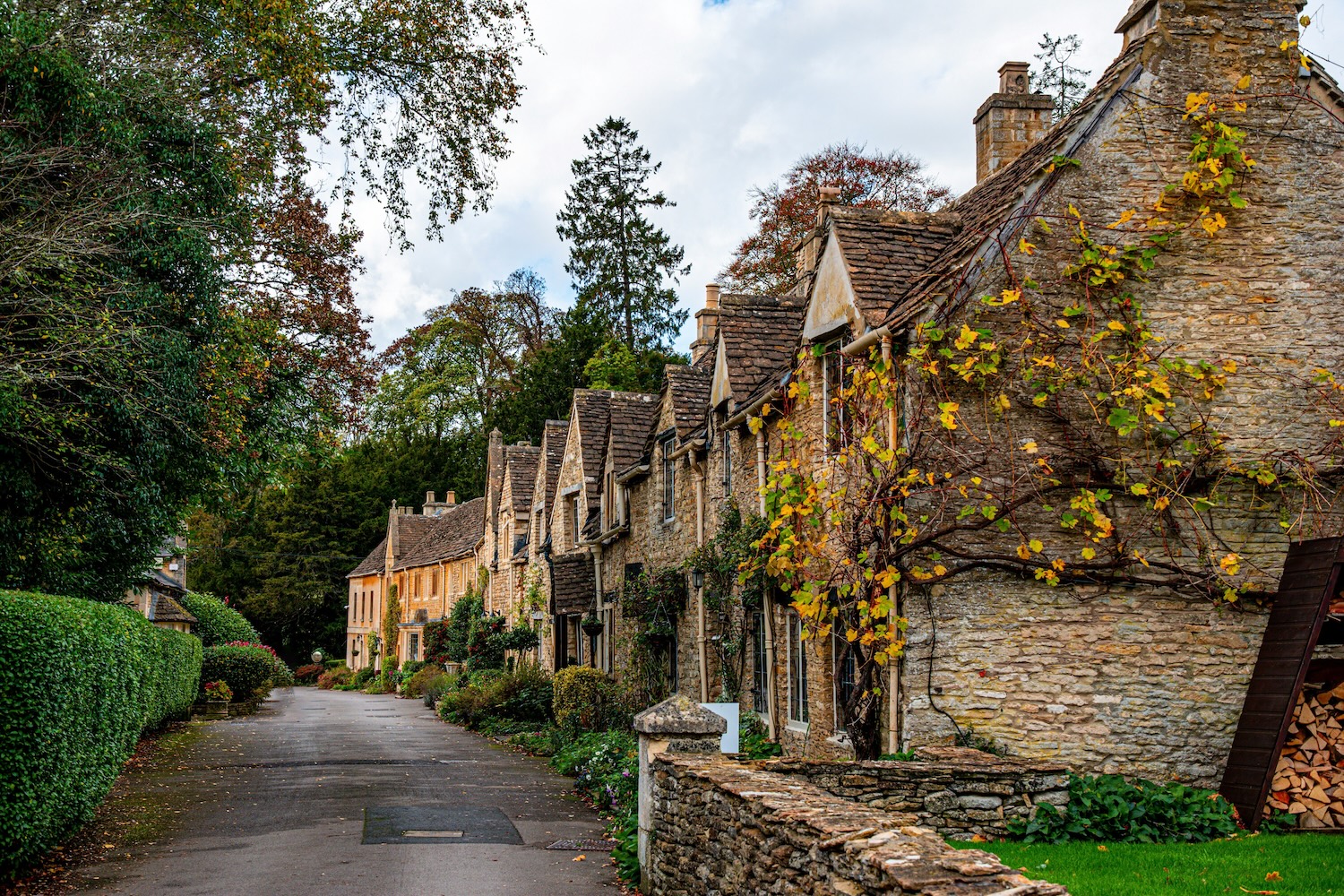
The historic Tippling Philosopher pub, a fixture on Milborne Port’s High Street since the 18th century, is set to become a residential development after closing at the end of 2024. Owners Dave and Diane Belcher, who have operated the establishment for over 15 years, retired and secured planning permission from Somerset Council to convert the building into housing.
The Grade II-listed property, located along the busy A30 near Milborne Port’s primary school and St John the Evangelist Church, consisted of the main pub buildings and an adjoining holiday cottage — the latter already renovated and rented out via Airbnb. Under the new plans, the pub will be divided into three residential units, with the holiday cottage becoming a fourth dwelling.
The Belchers revealed that only six residents from the High Street area used the pub regularly before its closure, making it unsustainable to keep open amid rising running costs and limited passing trade. Narrow pavements and minimal signage visibility on a busy road further hindered attracting new patrons.
READ MORE: Bath Residents Raise Concerns Over Proposed Parking Zone Plans
READ MORE: Ambitious Taunton Urban Extension Plans Unveiled with 915 New Homes
“We tried everything to make this business work over the 15 years; we sold two homes to fund its upkeep and renovations,” the couple stated. “Just because something is old doesn’t mean it can’t change for the better.”
Milborne Port has experienced considerable housing growth recently, with developers delivering numerous new homes, including 46 on The Hamlets estate and 65 within the Gascoigne Park development. Additional housing projects totaling 90 homes are under council consideration on Wheathill Lane and Court Lane.
Despite the development approval, some local voices express concern over the loss of community facilities. Councillor Nicola Clark, representing the Blackmoor Vale division, highlighted the pub’s vital role as one of only two remaining village pubs. She argued that sufficient attempts to sustain its operation have not been proven and warned that losing such assets diminishes communal spaces essential for social interaction and local commerce.
Nonetheless, planning officers determined the conversion would not negatively impact amenities, safety, biodiversity, or the village’s visual character. The project will retain the historical façade, ensuring that the village’s High Street retains its traditional appearance while adapting to the community’s evolving needs.