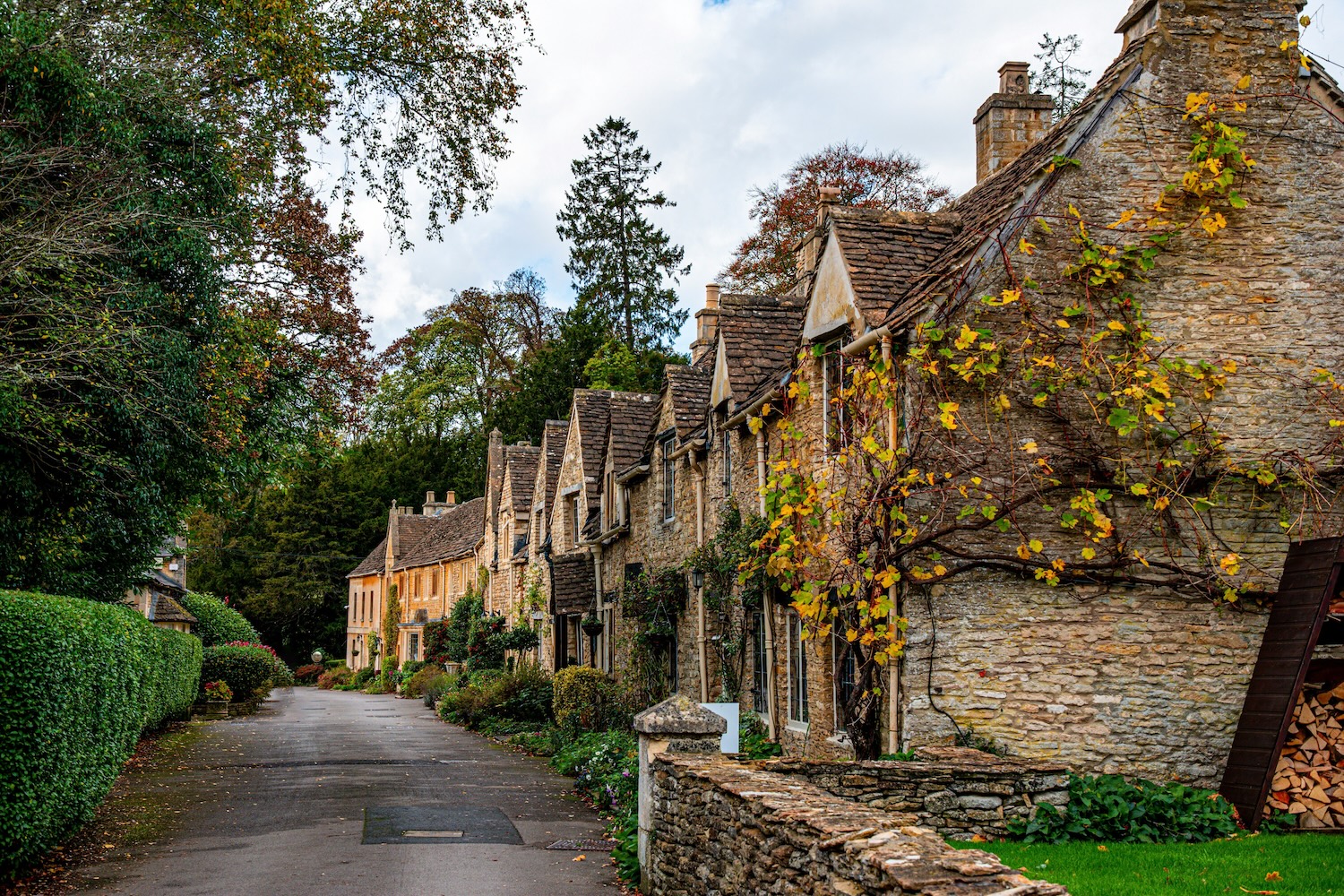
Somerset taxpayers may be footing a costly bill after Somerset Council lost an appeal concerning the development of a care home near the M5 motorway. The disputed site centers on Woodlands Castle, a Grade II listed 17th-century building located on Ruishton Lane in Ruishton, close to the Taunton Gateway park and ride and junction 25 of the M5.
In May 2024, Plymouth-based developer Belstone Fox submitted plans to build a new care home on the grounds, alongside 18 new homes and the conversion of Woodlands Castle itself into a residential property—a conversion estimated to cost nearly £2.3 million. However, in February 2025, Somerset Council refused planning permission, citing concerns that the development would harm the historic character of both the listed building and the surrounding village.
After a public inquiry held in March 2025, the Planning Inspectorate overturned the council’s decision and awarded costs against Somerset Council for what it deemed “unreasonable behaviour,” a financial liability that local taxpayers will bear.
READ MORE: Flat Owners Face Sudden Service Charge Surge from £7 to £270 Overnight
READ MORE: Exercise Timing Aligned with Chronotype Significantly Lowers Heart Disease Risk
Woodlands Castle has a rich history, having served as a wedding venue and conference center before closing in 2020 due to the COVID-19 pandemic. The property suffered further setbacks, including being used as a cannabis farm in 2021 and enduring substantial damage and vandalism. Although recent temporary repairs have been made, the developer cautions that these fixes are short-term and will soon deteriorate.
The approved plans include converting the castle into a single residential dwelling and constructing 18 new homes across the grounds in three clusters. The care home is proposed at the main entrance, north of the existing Ruishton Lane access and opposite the Brookfield Nurseries site, where Taylor Wimpey recently obtained permission on appeal to build up to 150 houses.
Located within the River Tone catchment, the developer secured phosphate credits to offset any environmental impact and prevent an increase in phosphates on the Somerset Levels and Moors.
Planning Inspector C. Rose inspected the site on March 3 and issued their ruling on April 7. The inspector acknowledged Somerset Council could not prove a five-year housing land supply and recognized the social benefits of redeveloping the site—both in providing more care home spaces and refurbishing the deteriorating listed building.
The ruling criticized many of the council’s policies as “out of date,” referencing the Brookfield Nurseries appeal and dismissing the notion that the site fell within a protective buffer zone outlined in the Ruishton and Thornfalcon Neighbourhood Plan. While admitting some loss of character and openness, the inspector found it would not significantly erode the village’s identity, even combined with nearby developments.
The inspector also recognized that the land contributes positively to Woodlands Castle’s historic significance and stated that development concentrated at the northern end would minimize harm. Although the care home’s size and design would detract somewhat from the castle’s setting, the inspector concluded that this development is the only viable option to restore the increasingly degraded building.
They stated: “The use of the building as a single dwelling represents the optimum viable use," and dismissed claims of deliberate neglect. The council failed to provide evidence of alternative public funding, leaving private commercial redevelopment as the sole practical solution.
In addition to approving Belstone Fox’s appeal, the inspector awarded costs against Somerset Council. The council was found to have behaved unreasonably by submitting misleading information during the appeal, failing to clearly articulate objections, and ceasing meaningful dialogue about the development’s viability.
The inspector concluded: “The council has acted unreasonably, causing the applicant unnecessary expense by preventing or delaying clearly permissible development, presenting a vague or inaccurate case unsupported by objective analysis, and applying incorrect policy tests without considering material factors.”
The exact sum of the costs to be paid by Somerset Council will be determined in upcoming negotiations between the council’s legal team and the developer.