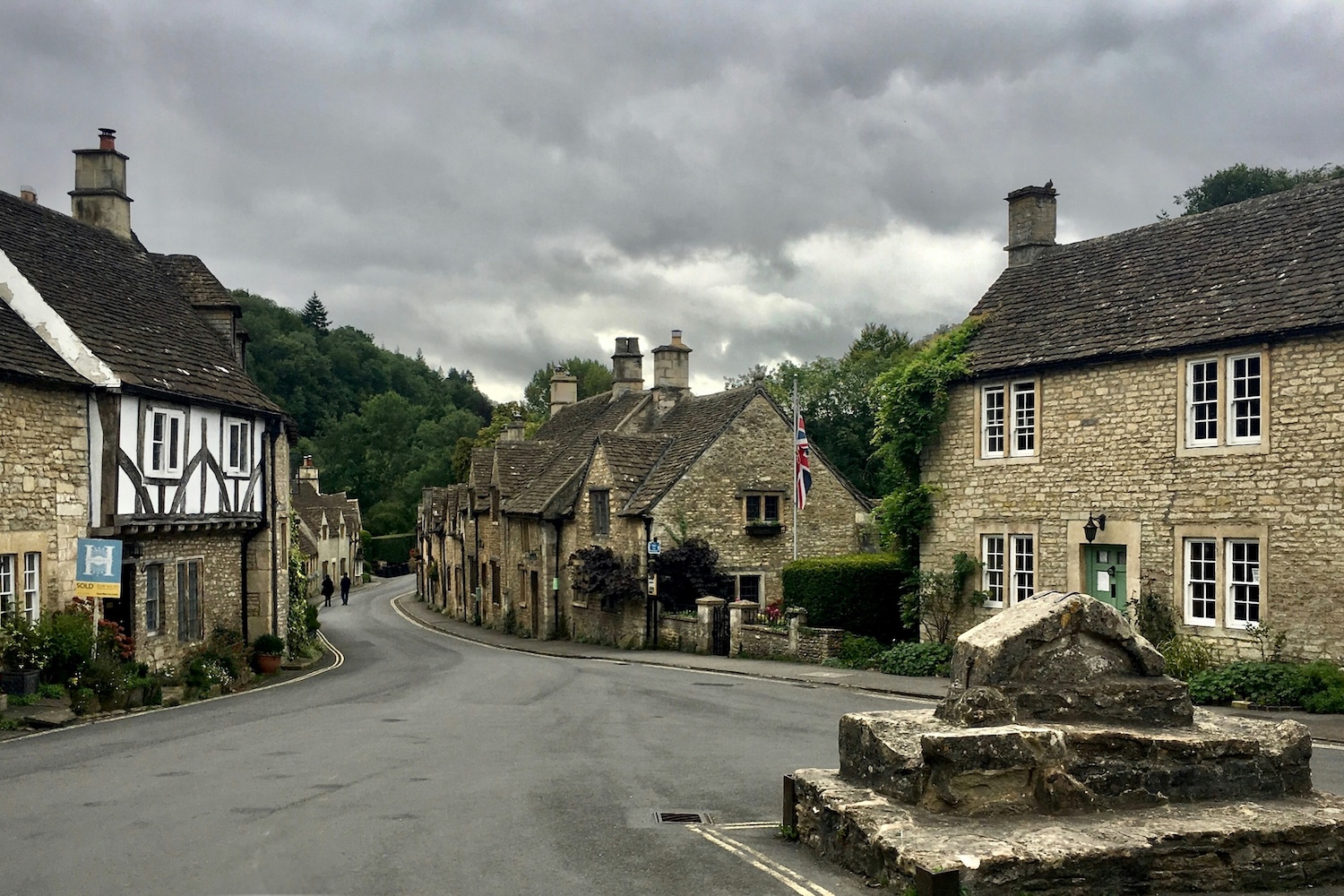
A newly approved Neighbourhood Plan aims to preserve and enhance the distinctive character of Hatch Beauchamp, a historic village in Somerset, following a successful referendum.
Situated just east of the busy A358 between Taunton and Ilminster, Hatch Beauchamp is home to approximately 620 residents. Since 2021, the village community has been developing the Neighbourhood Plan, outlining housing needs up to 2040 as well as highlighting key local facilities and green spaces that residents wish to protect and improve.
The plan received emphatic support in a referendum on 25 June, after which Somerset Council formally adopted the Neighbourhood Plan. This means it will significantly influence future development decisions within the parish.
Hatch Beauchamp is historically notable as the base of the Beauchamp family, one of England’s oldest families, who settled in the area after the Norman Conquest of 1066. The family was granted large estates in Somerset for their loyalty to King William I, centred around a manor near the village’s northern edge, where Hatch Court now stands.
A prominent former resident of this manor was Edward Seymour, elder brother to Jane Seymour, the third wife of King Henry VIII. He served as Lord Protector during King Edward VI’s reign but lost his titles and manor after his execution in 1552.
The current Hatch Court dates from the 1750s and remains privately owned. Residents and visitors may pass through its grounds via a public footpath to access St John’s Church, which still holds services at least monthly.
The churchyard houses the grave of Colonel John Rouse Merriott Chard, recipient of the Victoria Cross for his courageous defence at Rourke’s Drift, famously portrayed in the film Zulu. More recently, the village was home to Justin Langer, former Australian opening batsman and Test coach, who played for Somerset County Cricket Club from 2006 to 2009.
Alongside its historic dwellings, Hatch Beauchamp features The Hatch Inn public house with an integrated village shop, a garage, a primary school, a village hall, playing fields, and Hatch Green Coaches, which operates local bus and school transport services.
At a meeting in Taunton on 22 July, Somerset Council’s planning and transport police executive sub-committee officially adopted the Neighbourhood Plan.
Pippa Fowler, chair of the parish council, explained: “Our plan is designed to maintain and enhance our village’s character and increase biodiversity in our local landscape. Residents have identified key issues, helping our steering group develop policies that address their concerns.
We engaged all age groups, including young residents. In exchange for pizzas, local teenagers contributed valuable ideas to improve facilities for their age group, leading to the installation of a new outdoor table tennis table by the village hall.”
Councillor Mike Rigby, portfolio holder for economic development, planning and assets, praised the parish council’s efforts. Representing the Lydeard division near Taunton, he said: “Neighbourhood Plans are an effective way to manage inevitable change and exert local control over development.”
The plan does not earmark sites for new housing but estimates that 27 affordable homes will be needed by 2040 to meet local demand.
Council leader Bill Revans, whose North Petherton division has experienced considerable housing growth, expressed concern about whether this number would support the primary school’s sustainability. “We want to ensure the school remains open,” he said. “Providing homes in appropriate locations is a priority for the council.”
Ann Rhodes, the council’s principal planning policy officer, noted that while 27 homes might not guarantee the school’s long-term sustainability, its catchment area extends beyond just the village. The affordable housing will target people with a local connection, such as current residents, those with family in the village, or local workers.
Councillor Richard Wilkins, responsible for highways and transport, called Hatch Beauchamp “a very interesting village,” noting its character benefits from the Department for Transport’s decision not to dual the A358. He observed that the original bypass, now the current A358, has shaped the village’s landscape, and that local opposition to the proposed dualling partly stemmed from concerns over access.
Mr Rigby added, “While the final proposal for the A358 dualling was not universally popular here, it seems unlikely we will face that issue in the near future.”