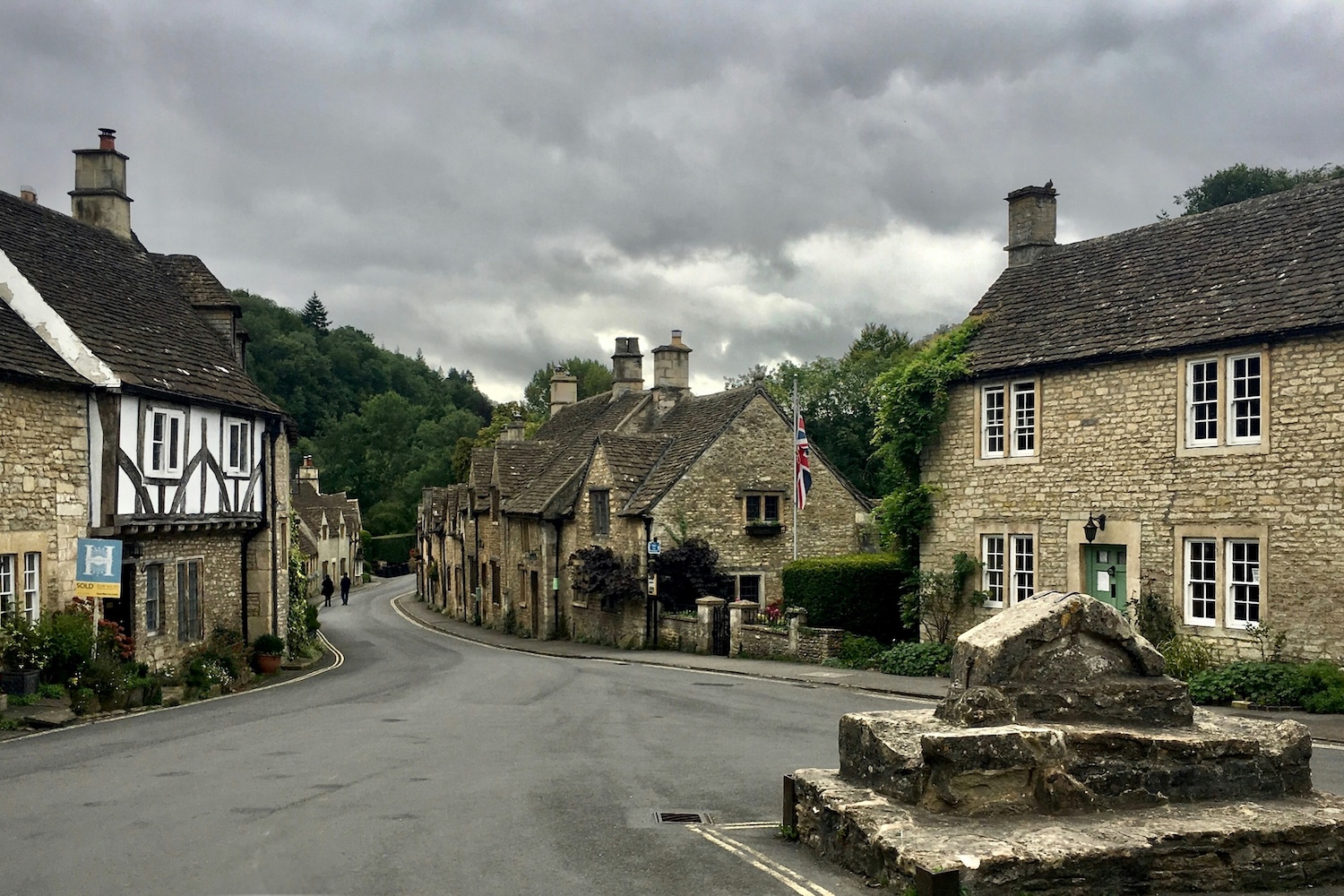
An iconic former pub in the Somerset village of Milborne Port will be transformed into residential properties after receiving approval from Somerset Council. The Tippling Philosopher, located on the High Street along the A30, served the community since the 18th century before closing at the end of 2024 due to the retirement of owners Dave and Diane Belcher.
Despite its rich history and status as a grade II listed building, the pub struggled with patronage, with only six current High Street residents regularly using the venue before its closure. The Belchers cited low foot traffic, limited passing trade, and increasing operational costs as reasons reopening was not financially viable. Narrow pavements restricting signage visibility further hindered attracting new customers.
Part of the property, known as The Cottage, has already been refurbished and rented out to holidaymakers on Airbnb. The approved plans will convert the remaining pub buildings into three separate homes, adding to the existing holiday cottage, which will become a fourth residence. The owners emphasized that this conversion respects the village’s character much more than recent new-build housing estates, which they describe as unaffordable and unsympathetic to local aesthetics.
READ MORE: New Mum Sectioned After Postpartum Psychosis Led to Belief She Killed Her Baby
READ MORE: Somerset County Cricket Club’s Heartfelt Tribute to Missing Mascot Brian
Milborne Port has experienced considerable housing development pressure in recent years, with new estates such as The Hamlets by Bovis Homes and Gascoigne Park by Redcliffe Homes having added over 100 homes combined. Additional developments totaling 90 homes on Wheathill Lane and Court Lane are awaiting council decisions.
Not all residents and officials support the pub’s conversion. Councillor Nicola Clark, representing the Blackmoor Vale division, voiced concerns over the loss of one of only two remaining pubs in a village of about 3,000 residents. She argued the closure significantly reduces community facilities amid rapid housing growth and questioned whether every effort had been made to keep it operating. Councillor Clark highlighted the pub’s role as an important social hub hosting community markets and enabling resident interactions that are hard to replace.
Despite these objections, the council’s planning officers granted approval, citing no significant impact on residential amenity, visual character, highway safety, or biodiversity. The decision was made through delegated powers without the matter going before the public planning committee.
The Tippling Philosopher’s transformation reflects changing village dynamics and the challenges faced by rural pubs across England, balancing heritage with the pressures of development and shifting community needs.