An initiative by local bus campaigners to alter a newly planned bus route to one of Somerset’s busiest railway stations has been rejected by the council.
Glastonbury TrainLink had proposed a regular bus service linking Glastonbury to Castle Cary railway station via Pilton and Shepton Mallet. The aim was to facilitate easier travel for residents in rural communities seeking connections to London Paddington via train.
Earlier in April, the council announced that this new service would commence “imminently,” pending the synchronization of bus timetables with Great Western Railway’s updated train schedules.
READ MORE: Teenage Girls Sexually Assaulted at Dorset Tractor Fest
READ MORE: Public Consultation Opens for New 100-Home Development in Castle Cary, Somerset
However, Glastonbury TrainLink accused the council of disregarding their collected evidence after the proposed route was modified to include Clarks Village in Street and to interface with the Slinky service covering Somerton and Langport.
Susannah Clemence, a representative of TrainLink, criticized the council’s decision, stating that the rejected route had strong community backing and was developed through extensive research, marketing efforts, and continuous dialogue with residents. TrainLink’s preferred route served multiple communities and key destinations, including workplaces and the Bath and West Showground, and had secured over £29,000 in pledges to support initial costs and promotional campaigns.
Clemence highlighted that parish councils and local businesses along the chosen route were supportive, and emphasized the project’s potential financial sustainability based on community preferences and expert consultations. She urged the council to reassess their decision and consider the evidence supporting Glastonbury TrainLink’s proposal for a better outcome.
In response, Mike O’Dowd-Jones, the council’s Service Director for Infrastructure and Transport, explained that although TrainLink’s suggestions were thoroughly considered, the chosen route including Clarks Village was deemed more viable. He stressed the need to maximize passenger numbers and value for money, making it necessary to include destinations that expand the catchment area.
O’Dowd-Jones emphasized that routing through Street would attract shoppers to Clarks Village and enable connections outside peak times via the Slinky digital bus service, benefiting residents traveling to and from Somerton, Langport, and Castle Cary station.
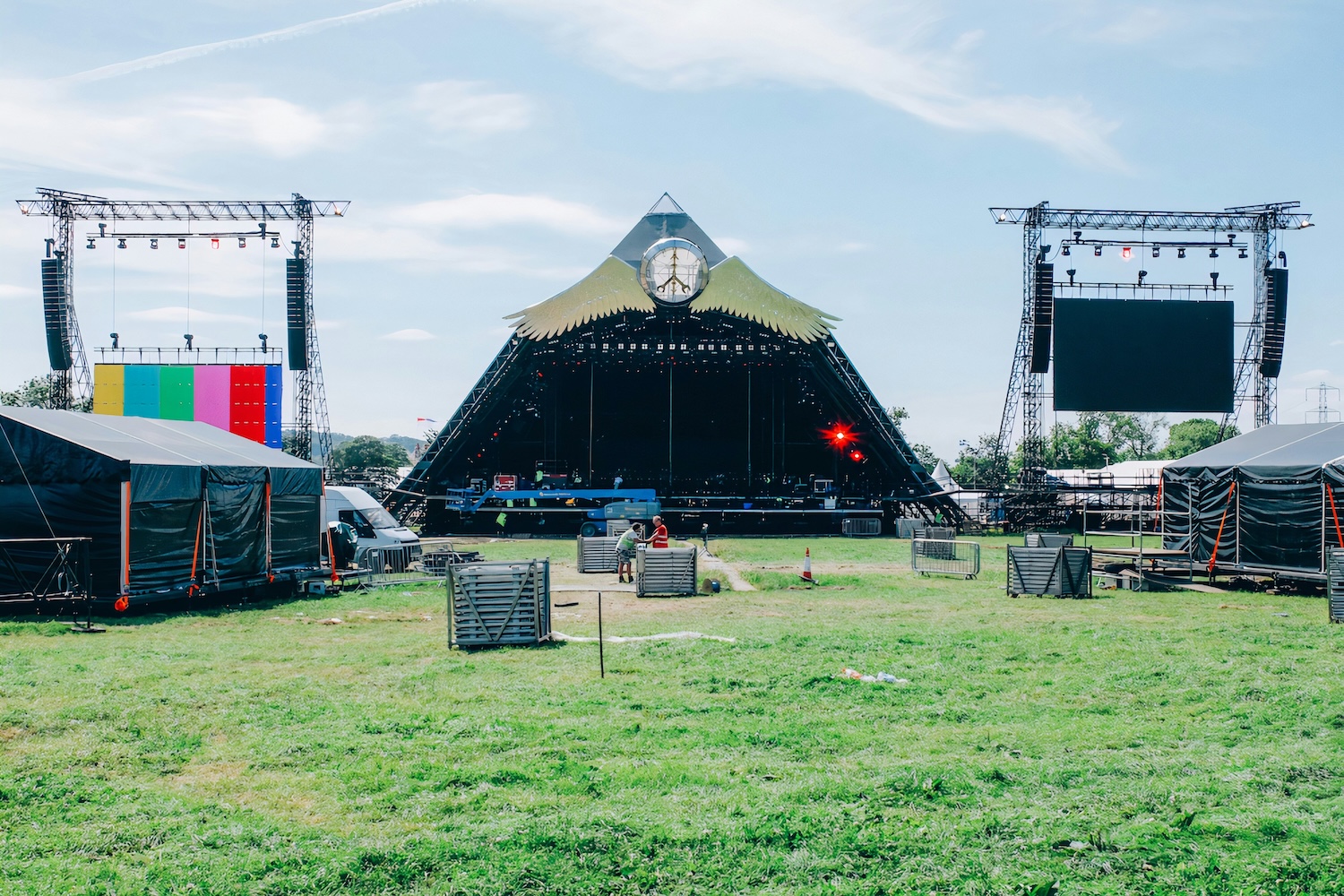
Castle Cary Councillor Henry Hobhouse also expressed optimism regarding increased passenger numbers, acknowledging that usage of the station has grown significantly in recent years. He noted ongoing efforts to improve facilities, including negotiating for a third car park and staffing enhancements at the station, which serves far more passengers than just those attending the nearby Glastonbury Festival.
The council maintains that its current plan strikes the best balance between community service and financial sustainability to ensure the new bus service’s successful trial.