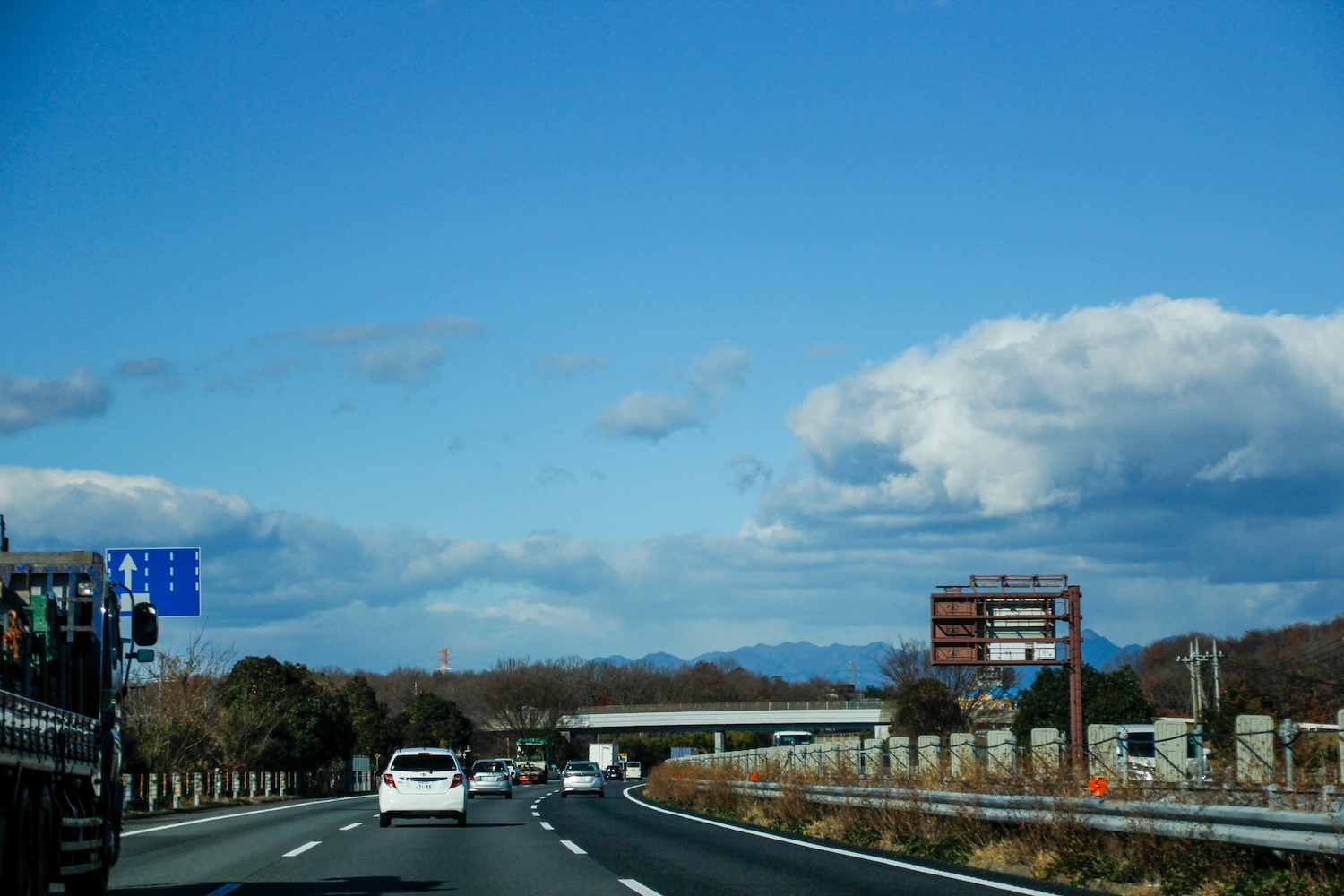
Nestled in North Somerset, Banwell is a picturesque village with a notorious problem: severe traffic congestion that has plagued its narrow streets for generations. Today, sitting in a stationary car as a massive tipper truck maneuvers painfully through the village, it’s easy to see why Banwell’s traffic jams have become infamous.
The village lies at the crossroads of two major A-roads, funneling heavy traffic—including buses and large HGVs—into roads so narrow that sometimes only one vehicle can pass at a time. The queues stretch through the village, disrupting daily life and altering its very character.
But change is underway. I’m riding as a passenger in a yellow vehicle, clad in bright orange hi-vis overalls, touring the site of the soon-to-be completed Banwell bypass. Currently accessible only to construction vehicles, this £105 million project began its main phase in spring last year and is scheduled for completion by 2027.
READ MORE: Triple Amputee Graduate from Somerset Defies the Odds with Inspirational Message
READ MORE: M5 at a Standstill Following Serious Crash in Somerset
This M-shaped, three-and-a-half-kilometre road will skirt north of Banwell, providing a much-needed alternative route and freeing the village from the relentless traffic grind. The stretch already paved runs smoothly until Wolvershill Road, beyond which unpaved construction paths mark the future course.
Environmental sensitivity is built into the design. More than 20 watercourses, from delicate rhynes to the River Banwell itself, crisscross the proposed route. Concrete culverts equipped with mammal shelves will keep wildlife safe as they pass beneath the bypass. The river, temporarily diverted through a flume during construction, will be restored to flow openly once again under a newly completed bridge.
Ecological measures extend to new tree plantings, designated grazing areas, and an artificial badger sett. Katie Park, North Somerset Council’s senior project manager, describes the project as “an environmental scheme with a road going through it,” emphasizing the balance sought between infrastructure and nature.
Locally, the bypass represents more than just a road. It promises to restore Banwell’s identity as a tranquil village rather than a traffic choke point. Roy Rice, a lifelong Banwell resident and local historian, recently joined me on the site tour. Born in 1944 and having worked at the village garage, Mr. Rice offers a rich perspective on the village’s transformation.
He recalls the village square as it once was—a hub managed by two policemen controlling traffic from five feeding roads in the 1950s. That square is now gone, replaced by a widened junction where the A368 and A371 meet, after houses, and businesses like the butcher’s shop, were demolished in the 1960s to make way for ever-increasing traffic.
Mr. Rice reflects on the many buildings lost to traffic expansion and the damage often inflicted by large vehicles squeezing through Banwell’s narrow lanes. His own home resembles a living museum – walls decorated with historical maps, photographs, and old shop signs, including that of Clarks bootmaker and bicycle shop, once located on the infamous “narrows,” where the A371 narrows to a single vehicle width.
He tells stories of vehicles crashing into the shop, damages so severe that rebuilding was prohibited. Banwell’s traffic woes, he notes, are hardly new. Records date back to the 18th century, with the village cross relocated in 1754 and later removed entirely because it “incommoded the traffic.”
The idea of a bypass was first floated in 1927. Now, nearly a century later, Banwell’s long-awaited solution is finally becoming reality, promising to alleviate the village’s chronic congestion and restore its charm.